Roadmap to the Ideal Crisis System
Bruce Gage Annual Lecture in Forensic Mental Health
UW Department of Psychiatry & Behavioral Sciences Grand Rounds Series
Speaker: Kenneth Minkoff, MD
February 20, 2026
Kenneth Minkoff, MD, will discuss the evolution of the seminal 2021 report, Roadmap to the Ideal Crisis System: Essential Elements, Measurable Indicators, and Best Practices. The presentation will include the vision of an excellent crisis system as an essential community service, the core values that need to be built into the construction of a such a system, the three foundational pillars of the system, and the impact that the report has had in facilitating the expansion of behavioral health crisis services in Washington state and nationwide.
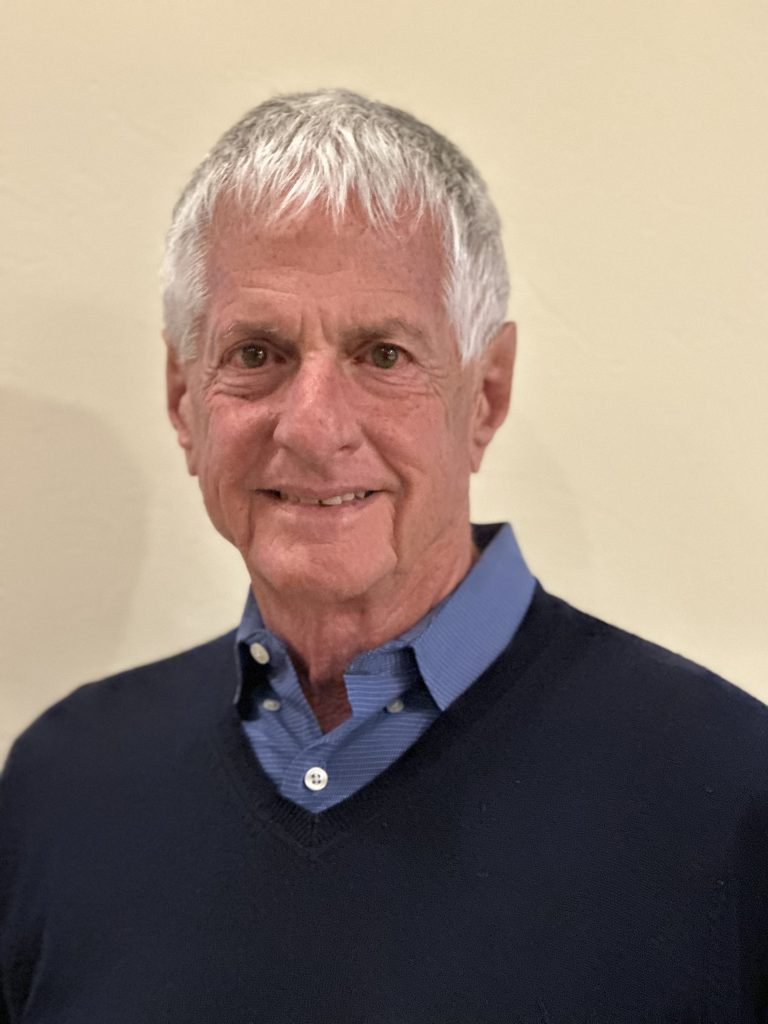
Dr. Kenneth Minkoff is vice president and chief operating officer at ZiaPartners, Inc., a behavioral health system consultation firm in Tucson, AZ. He is board certified as an addiction psychiatrist and community psychiatrist, board member emeritus of the American Association for Community Psychiatry, co-chair of the Community Psychiatry Committee of the Group for Advancement of Psychiatry, and one of the lead authors of the 2021 report, Roadmap to the Ideal Crisis System, the 2024 white paper on Certified Community Behavioral Health Clinics (CCBHCs) and crisis systems, and the 2025 white paper on the Comprehensive Health Integration Framework, all published by the National Council for Mental Wellbeing. He is a member of the National Council’s Medical Director Institute and consults to the National Council Centers of Excellence on integrated care and CCBHCs. Dr. Minkoff has been recognized as a national and international leader in the strategic development of quality-driven managed behavioral health care systems and integrated services and systems for complex populations for over 25 years.
Creating and Sustaining High Quality Crisis Services: Lessons from Arizona
Northwest Mental Health Technology Transfer Center Network
Speaker: Margie Balfour, MD, PhD A
March 23, 2020
View Slides: Creating and Sustaining High Quality Crisis Services
Arizona has spent the past several decades developing a crisis system that is widely regarded as one of the most advanced in the nation. In this model, a robust continuum of services work together in concert to provide high-quality care in the least-restrictive setting that can safely meet the person’s needs while also ensuring fiscal sustainability and responsible stewardship of community resources. This session will describe key features of the Arizona model including: 1. overview of the crisis continuum; 2. governance, financing, and accountability; 3. examples of collaboration with law enforcement and other community partners; and 4. strategies for using data to drive continuous system improvement.
A psychiatrist and national leader in quality improvement and behavioral health crisis services, Margie Balfour is the Chief of Quality and Clinical Innovation at Connections Health Solutions, which provides access to mental health and substance use care throughout Arizona, and an Associate Professor of Psychiatry at the University of Arizona. Dr. Balfour was named the Doctor of the Year by the National Council for Behavioral Health for her work at the Crisis Response Center in Tucson. She was awarded the Tucson Police Department’s medal of honor for her efforts to help law enforcement better serve the mentally ill population. She serves on the board of directors of the American Association of Community Psychiatrists, The American Association for Emergency Psychiatry, and NAMI Southern Arizona. She earned her MD and PhD in Neuroscience from the University of Cincinnati, and completed her residency and fellowship in Public Psychiatry at the University of Texas.
Designing and Implementing Ideal Behavioral Health Crisis Systems
Northwest Mental Health Technology Transfer Center Network
Speaker: Ken Minkoff, MD
March 30, 2020
View Slides: Designing and Implementing Ideal Behavioral Health Crisis Systems
Communities are increasingly recognizing that people in behavioral health crisis have diverse and complex needs, and that simply creating a single crisis response program does not meet those needs successfully. Further, it is clear that lack of effective crisis response is likely to lead to inappropriate arrests and incarceration, ER boarding, increased suicide rates, and – most tragically – painful challenges for individuals and families attempting to get help. For that reason, in the past few years, the national conversation has turned to looking at the need for comprehensive and effective BH crisis SYSTEMS to serve the needs of communities (of all types) across the nation. Such systems should be viewed as Essential Community Services (like EMS and fire) that are responsive to everyone and “owned” and accountable to the community as a whole. The Group for Advancement of Psychiatry Committee on Psychiatry and the Community (Dr. Minkoff is co-chair, and Dr. Flaum and Balfour are among the members) has worked for the past four years to put together a nearly completed documented outlining in detail the essential elements and measurable criteria for such a system, and steps for any community to make progress in achieving it. This presentation will illustrate the major components of such a system, including Accountability and Funding; Comprehensive Array of Components; and Essential Best Practices.
Dr. Minkoff, a board-certified addiction psychiatrist, has been recognized as one of the most preeminent experts on integrated services and systems for individuals with co-occurring serious mental illnesses and substance use disorders. For over 40 years, he has worked to develop services and systems to best meet the needs of individuals, families, and populations with the greatest challenges. Dr. Minkoff has been involved in service provision, management, and consultation in almost every area of behavioral health. He serves on the Interdepartmental Serious Mental Illness Coordinating Committee, created by the 21st Century CURES Act to bring multiple federal departments together to create a transformed system of care for individuals and families addressing serious mental illness and serious emotional disturbance. Dr. Minkoff is co-chair of the Committee on Psychiatry and the Community for Group for the Advancement of Psychiatry, which is developing the Ideal Crisis System materials being discussed today. He and his consulting partner Dr. Christie A. Cline, MD, MBA, are currently providing consultation to communities interested in developing BH crisis systems and services. Dr. Minkoff is active in influencing policy and practice on a national and state level.
Implementing New Crisis Services: The View from the Ground Up
Northwest Mental Health Technology Transfer Center Network
Speaker: Michael Flaum, MD
April 15, 2020
View Slides: Implementing New Crisis Services
The 3rd webinar of the Behavioral Health Crisis Response Systems Live Webinar Series, this presentation describes the real-world experience of one community in a rural state (Iowa) in enhancing their crisis services. It is meant to complement the two prior webinars in this series, the first of which described a large and relatively resource-rich crisis system that has been up and running for some time, and the second describing what an “ideal crisis system” might look like. This webinar will be more of a case study of one community’s process of expanding their crisis services, highlighting some of the successes and how those were navigated, as well as some ongoing challenges.
Michael Flaum, Emeritus Professor of Psychiatry at the University of Iowa Carver College of Medicine, is the author or co-author of more than 100 publications, mostly reflecting his collaborative clinical research in schizophrenia in the 1990s. In 1999, he assumed the directorship of the Iowa Consortium for Mental Health, which aimed to harness the academic resources of Iowa’s universities to benefit the state’s public mental health system. His work since then has focused on efforts to optimize the quality, effectiveness and access to psychiatric services within publicly-funded settings in a recovery-oriented manner. He currently serves as president of the American Association for Community Psychiatry.