Hot Topics in Mental Health & Law: Assisted Outpatient Treatment series
September 10, 2026
Assisted Outpatient Treatment (AOT), also known as outpatient civil commitment, occupies an important but often controversial place in the mental health care continuum. This presentation will trace the historical development of AOT in the United States, from deinstitutionalization and civil commitment reform to contemporary models of court-ordered community treatment. Drawing on more than three decades of research, the talk will examine what is known about AOT’s effectiveness in reducing hospitalization, improving treatment engagement, and promoting community stability, as well as the conditions under which these outcomes are most likely to occur. The presentation will compare implementation approaches across states, discuss ethical and legal considerations, and explore emerging questions concerning service capacity, patient-centered care, and racial equity. The goal is to provide participants with a balanced, evidence-based framework for understanding AOT’s evolving role in modern behavioral health systems.
Learning Objectives
At the conclusion of this presentation, participants will be able to:
- Describe the historical and legal development of Assisted Outpatient Treatment (AOT) in the United States.
- Summarize the empirical evidence regarding AOT’s effectiveness, including factors associated with successful implementation.
- Compare major AOT implementation models and statutory approaches used in different states.
- Discuss key ethical, policy, and equity considerations relevant to contemporary AOT practice.
About the Speaker
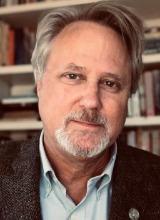
Jeffrey W. Swanson, PhD, is Professor in Psychiatry and Behavioral Sciences at Duke University School of Medicine and a faculty affiliate of the Wilson Center for Science and Justice and the Center for Firearms Law at Duke University School of Law. Trained as a sociologist at Yale University, he is a social scientist whose research focuses on mental health policy, outpatient civil commitment, violence prevention, suicide prevention, and firearm-related injury. He has authored more than 250 scholarly publications and led some of the first empirical studies evaluating involuntary outpatient commitment, psychiatric advance directives, and risk-based firearm removal laws. Dr. Swanson is a recipient of the Isaac Ray Award from the American Psychiatric Association and the American Academy of Psychiatry and the Law, and the Carl Taube Award from the American Public Health Association.